
Translating Development Mandates into Sovereign Food Systems
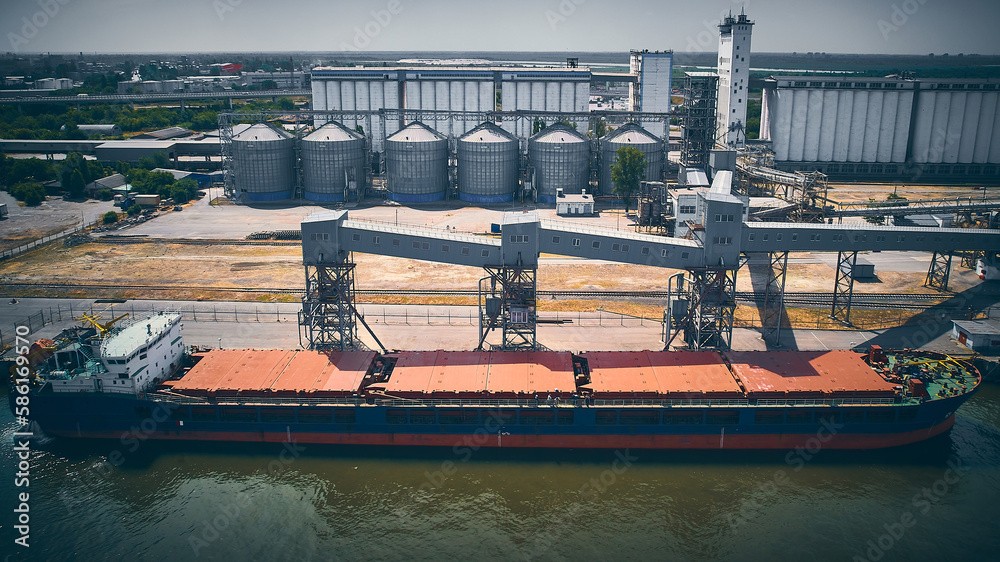
BioSingularity is designed to convert global development priorities into operational national food infrastructure.
We do not view food security as charity, a farmer-support program, or a political declaration. We view it as a system that can be designed, financed, built, operated, measured, improved, and replicated.
BioSingularity integrates land, water, production, storage, processing, logistics, digital management, environmental performance, social impact, and long-term operational control into a single infrastructure model.
Instead of fragmented agricultural projects, BioSingularity is built to create sovereign food systems: industrial food infrastructure clusters that enable countries to produce, process, store, and distribute essential food products within their own economies.
From Policy Objectives to Operating Systems

Global development priorities only become meaningful when they are translated into operational capacity.
BioSingularity is designed to transform international priorities - food security, climate resilience, water stewardship, land restoration, investment readiness, import substitution, social development, and measurable impact - into infrastructure that can operate at national scale.
Each cluster functions as a coordinated food production and processing system, combining physical assets, operational management, digital control, environmental discipline, and long-term financial logic.
In this model, development priorities are not treated as separate policy categories. They are integrated into one operating system.
FOOD SYSTEMS TRANSFORMATION
Turning Fragmented Agriculture into Engineered Infrastructure

Food systems in many countries remain structurally fragmented.
Land, farmers, water, logistics, storage, processing, and markets often operate separately from one another. This creates a structural gap: the world has land, capital, technology, and knowledge, but often lacks integrated systems capable of converting these resources into stable national food capacity.
BioSingularity is designed to close this gap, transforming food production from seasonal agricultural activity into an engineered infrastructure system.
Each cluster brings together land, irrigation, crop production, processing, storage, logistics, digital monitoring, and long-term management into one coordinated model led by an accountable operator.
As a result, food security stops being an aspiration and becomes a designed, measurable, and replicable infrastructure asset.
Infrastructure outcome:
Integrated land, water, production, processing, storage, and logistics
Accountable long-term operating model
Reduced fragmentation across the food value chain
Measurable national food production capacity
Replicable cluster architecture for future deployment
FOOD SECURITY AND NUTRITION
Building Domestic Capacity for Essential Food Products

Food insecurity is not only the absence of calories.
It is also the absence of stable access to flour, bread, vegetable oils, protein, livestock feed, and affordable essential food products consumed every day by households, communities, and national markets.
BioSingularity is structured around the final food outcome, not only around crop yield.
The model is designed for local production and processing of strategic food products: wheat into flour, soybeans into oil and meal, crops into compound feed, and feed into the development of livestock and protein production.
By integrating production, processing, storage, and domestic market supply, the cluster reduces national dependence on emergency imports and builds a permanent internal food base.
Food security outcome:
Domestic production of staple crops
Local processing into essential food products
Reduced dependency on emergency imports
More stable access to flour, oils, feed, and protein chains
Stronger national food availability and affordability
Making Food Security Investable

Agriculture often struggles to attract large-scale institutional capital because it is perceived as a fragmented, seasonal, and high-risk sector rather than an infrastructure asset class.
Institutional investors require long-term cash flow, visible risk, structured governance, operational control, and predictable performance.
BioSingularity is designed to transform agriculture into an investable infrastructure asset.
Each cluster is designed with a long-term operator, financial model, water security, production targets, processing capacity, storage infrastructure, ESG reporting, and risk mitigation mechanisms.
This allows sovereign capital, strategic investors, infrastructure funds, and financial institutions to participate in food security through a project finance logic rather than through exposure to individual farm-level risk.
Investment outcome:
Agriculture structured as infrastructure
Long-term operator and governance model
Project finance readiness
Clear production and processing targets
ESG, safeguards, and reporting discipline
Reduced exposure to fragmented farm-level risk
WATER RESOURCE MANAGEMENT
Treating Water as a Strategic Operating Asset
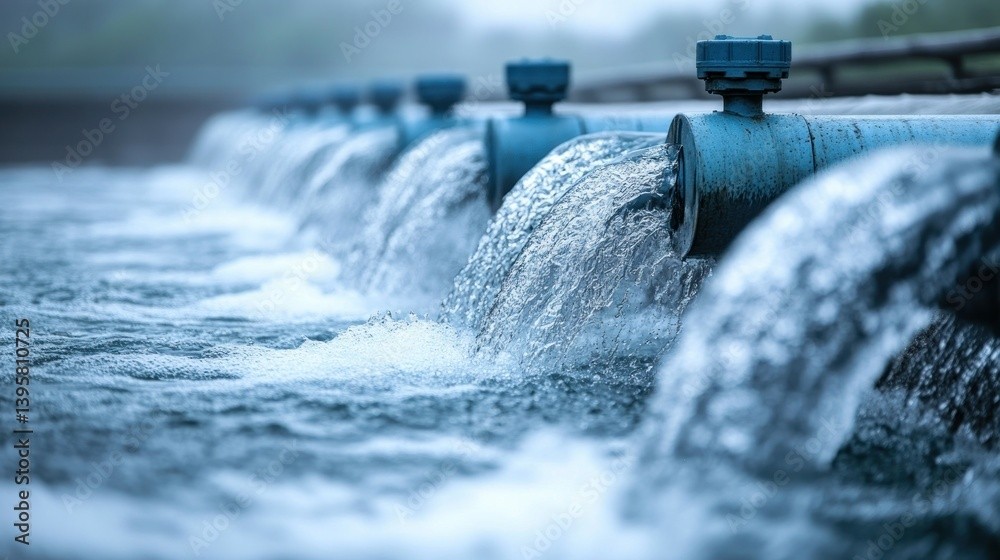
Water is a central asset of food infrastructure.
Without a managed water system, agriculture remains exposed to drought, unstable rainfall, inefficient irrigation, soil degradation, and volatile yields.
BioSingularity is built to treat water as an engineered operating system.
Each cluster includes hydrological analysis, legally secured water access, pumping stations, reservoirs, irrigation, drainage, real-time monitoring, and digital water-balance management.
The objective is not simply to irrigate land.
The objective is to control the full water balance of the production system over a 20–30-year horizon, reduce water consumption per ton of output, prevent soil degradation, and make production more predictable.
Water outcome:
Secured and structured access to water
Integrated irrigation, drainage, and storage infrastructure
Real-time monitoring of water use
Digital water-balance management
Reduced water intensity per ton of production
Greater resilience to drought and rainfall volatility
SOIL RESTORATION AND LAND PRODUCTIVITY
Converting Land into a Long-Term Productive Asset
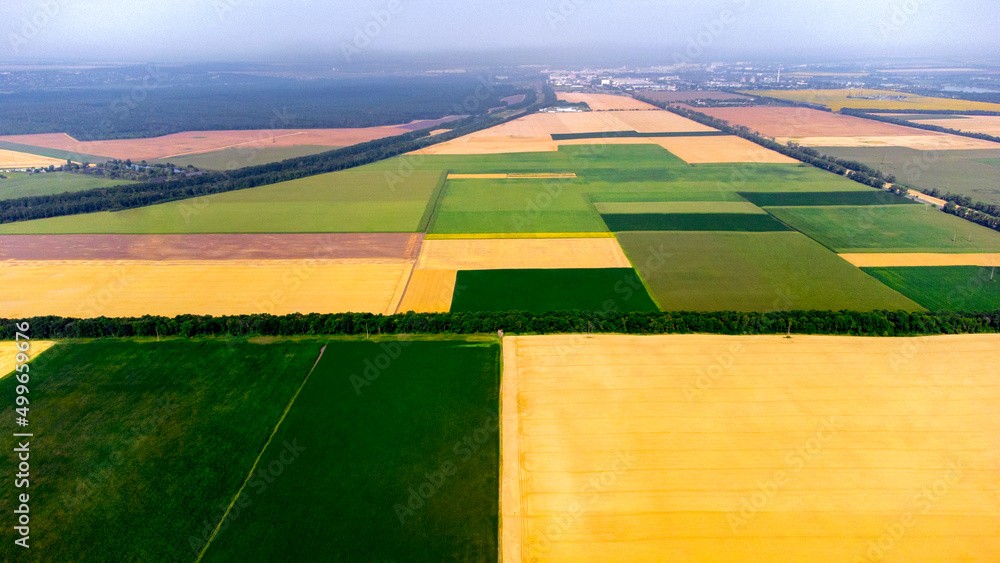
Degraded land cannot serve as the foundation of national food security.
Soil fertility, organic matter, erosion control, crop rotation, nutrient balance, and water retention capacity determine whether food infrastructure can remain productive for decades.
BioSingularity is designed to make soil restoration part of the operating model, not an additional environmental add-on.
Large managed clusters allow for scientifically designed crop rotations, organic matter return, composting, precision fertilization, erosion control, drainage, soil mapping, satellite monitoring, and long-term fertility management.
In this logic, soil is not exhausted for short-term yield. It becomes a productive national asset whose quality can improve over time.
Land productivity outcome:
Long-term soil fertility management
Improved organic matter and nutrient balance
Reduced erosion and degradation risk
Scientific crop rotation and precision agronomy
Satellite and soil-map-based monitoring
Higher resilience and productivity over time
CLIMATE ADAPTATION AND CARBON EFFICIENCY
Building Measurable Climate Resilience into Food Infrastructure
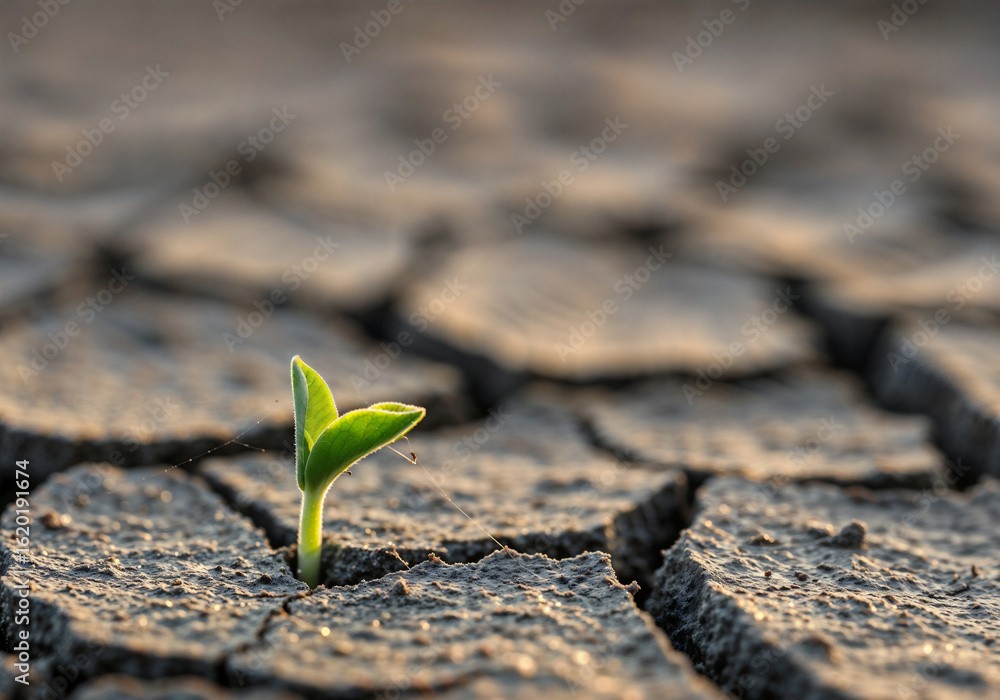
Agriculture is both highly exposed to climate shocks and a significant contributor to the carbon footprint of food systems.
In traditional fragmented models, emissions are difficult to reduce systematically because they are distributed across production, transport, storage, processing, and post-harvest losses.
BioSingularity is designed to reduce the carbon footprint structurally by localizing production and processing within one integrated cluster.
Shorter logistics, reduced post-harvest losses, efficient irrigation, renewable energy integration, soil carbon accumulation, and digital monitoring create a measurable climate-performance model.
The cluster is designed not only to adapt to climate risks, but also to generate verifiable environmental data: water consumption, soil condition, energy use, emissions reduction, and carbon impact.
Climate outcome:
Reduced logistics-related emissions
Lower post-harvest losses
More efficient irrigation and energy use
Integration of renewable energy where applicable
Soil carbon and land-regeneration potential
Verifiable environmental and climate-performance data
Retaining Food Value Chains Inside the National Economy
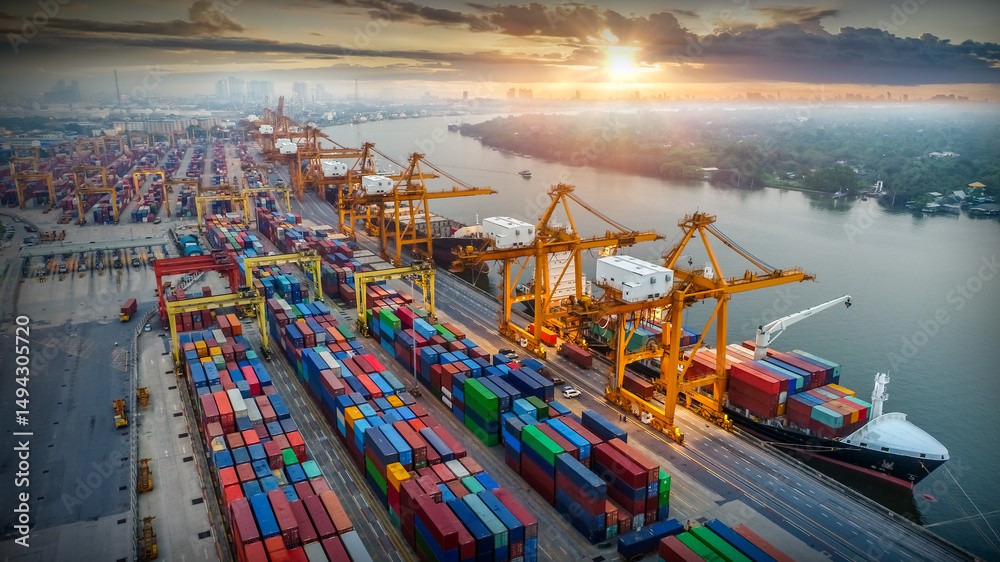
Countries dependent on imported wheat, vegetable oils, protein, feed, and essential food products remain exposed to currency pressure, global price shocks, logistics disruptions, export restrictions, and geopolitical crises.
BioSingularity is built to create domestic food sovereignty through a full national value-added cycle.
The model retains production, processing, storage, and value creation inside the country instead of exporting raw commodities and importing finished food products.
This strengthens the balance of payments, reduces food inflation pressure, supports local industry, creates employment in rural regions, and gives the state a strategic food reserve based on domestic capacity rather than external dependency.
Sovereignty outcome:
Reduced import dependency for essential food products
Domestic processing and value-added retention
Stronger balance of payments
Lower exposure to global price and logistics shocks
Rural employment and regional industrial development
Strategic food reserve based on internal production capacity
Managing Food Infrastructure Through Data, Discipline and Transparency

Large-scale food infrastructure cannot be managed by intuition.
It requires real-time data, transparent reporting, operational discipline, and early risk detection across the entire value chain: land, water, crops, storage, processing, logistics, environment, finance, and social impact.
BioSingularity is designed to create a digital operating layer for each cluster.
This layer integrates satellite data, drones, sensors, weather stations, water meters, soil maps, production data, processing data, logistics, ESG indicators, and financial reporting into a unified management system.
This allows the project to measure what it promises: food production volumes, number of people supplied, water consumption per ton of output, post-harvest losses, share of local processing, jobs created, women and youth employment, soil restoration, carbon impact, import substitution, and financial performance.
As a result, food infrastructure is not only built and operated. It is continuously measured, verified, improved, and replicated.
Each operational cluster becomes a reproducible module that can be deployed across other regions and countries under a unified operating logic.
Digital and impact outcome:
Real-time operational visibility
Transparent ESG and financial reporting
Early detection of operational and environmental risks
Measurement of food, water, soil, jobs, carbon, and financial outcomes
Stronger auditability and institutional trust
Replicable infrastructure module for national and international deployment
The BioSingularity Infrastructure Model

BioSingularity integrates food security, water management, land restoration, climate resilience, investment readiness, import substitution, social development, and digital transparency into one operating infrastructure model.
It is not a farm.
It is not a subsidy.
It is not a political concept.
It is sovereign food infrastructure designed to enable countries to feed themselves, reduce import dependency, retain value creation inside their economies, and build long-term national resilience.
BioSingularity is designed to transform food security from a development priority into an investable, governable, measurable, and replicable national infrastructure system.