
Existing Potential Outweighs New Construction
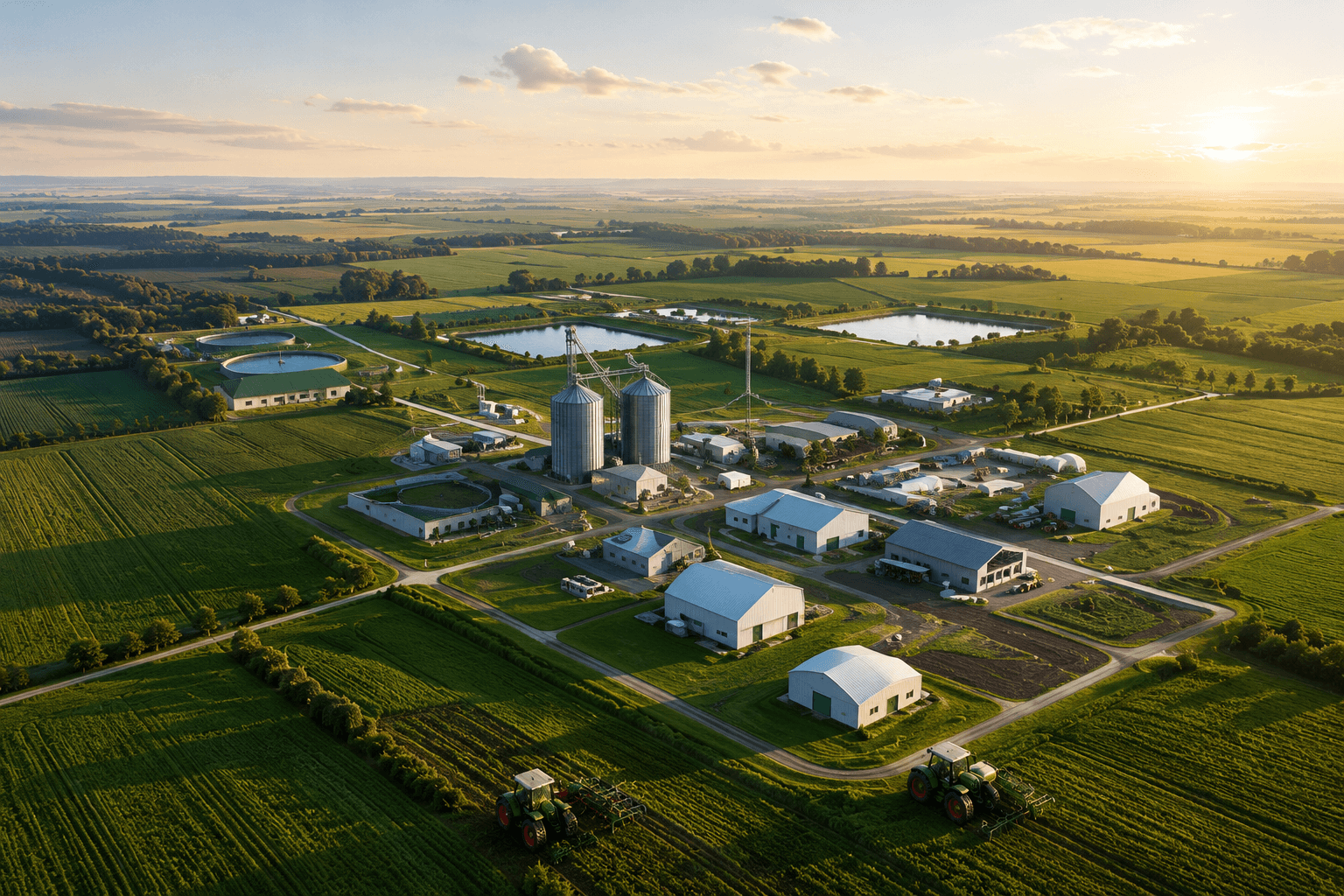
Many countries already have land, farmers, equipment, irrigation, storage facilities, processing capacity, logistics, government programs, and private producers. The problem is that these elements do not function as a unified system.
BioSingularity transforms a country's existing agricultural base into a managed food security infrastructure - without the need to start from scratch.

BioSingularity addresses a structural challenge shared by many countries: the gap between agricultural potential and functioning national food security infrastructure.
Out of roughly 195 countries globally, an estimated 100–120 face high food import dependence, low agricultural productivity, underutilized land, fragmented value chains, or the need to modernize national agricultural systems.
Within this group, 50–70 countries may represent a realistic market for national food system transformation programs - either self-financed or co-financed with development banks, sovereign funds, infrastructure investors, and international financial institutions.
REGIONAL CLUSTER POTENTIAL
Africa
300–600 clusters
Asia
100–200 clusters
Latin America
100–150 clusters
Middle East
50–100 clusters
Combined potential: 500–1,000 industrial agro-food clusters globally.
Based on a 100,000-hectare cluster model, this represents 50–100 million hectares that could be progressively integrated into modern, digitally managed food systems over the coming decades.
The market is not limited to building new clusters. A major opportunity also exists in restructuring existing agricultural systems - connecting land, irrigation, production, storage, processing, logistics, digital control, financing, and workforce development into one coordinated operating model.
BioSingularity is designed for this role: not as a technology vendor or consultant, but as an accountable systems operator.
Why This Matters for the State
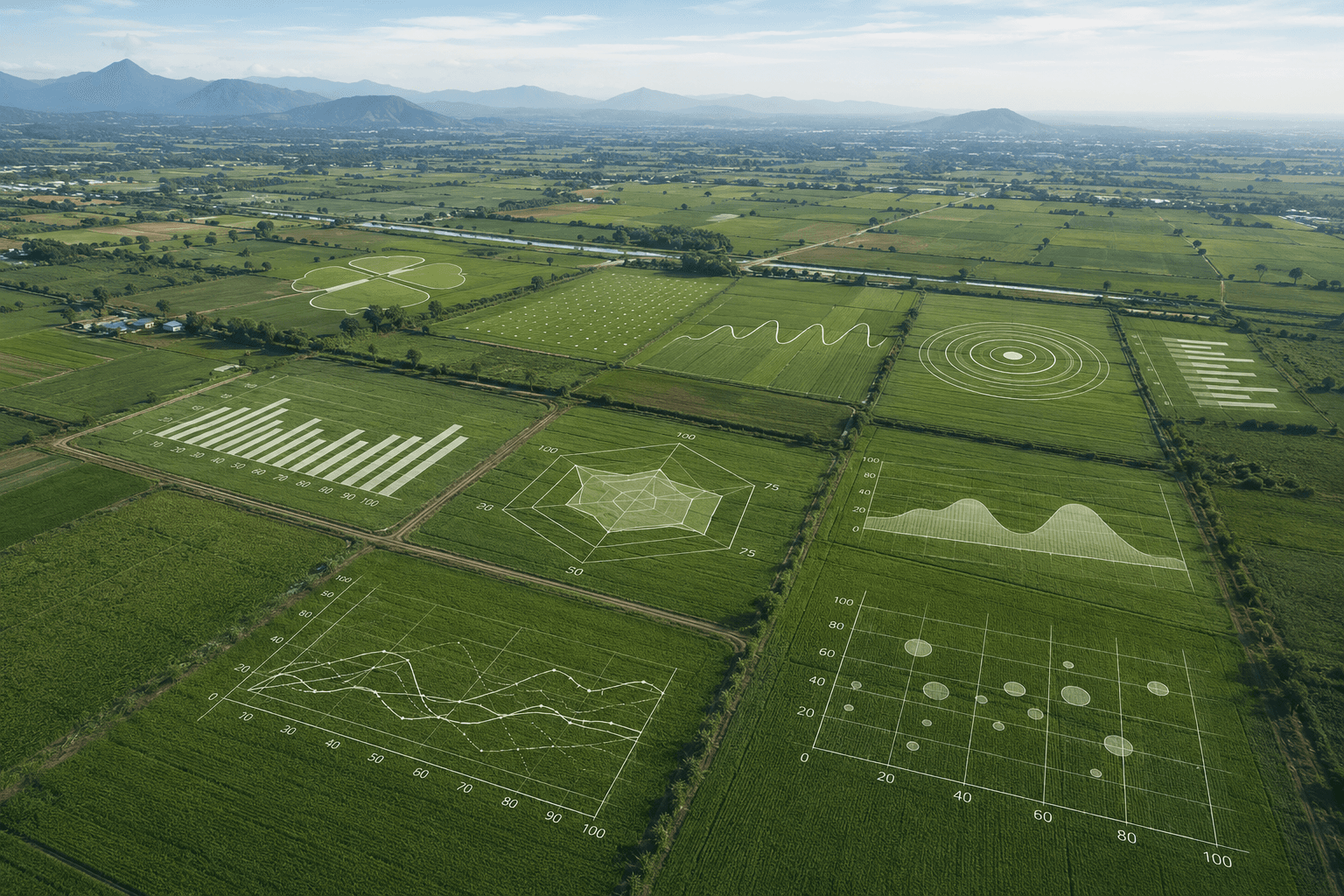
When agriculture operates in a fragmented manner, a country loses more than its harvest.
It loses added value, foreign currency spent on imports, farmer income, jobs, investment, and control over strategic food supply chains.
Restructuring leverages what already exists and delivers faster results for the economy, regions, and food sovereignty.
Sovereign by Design

Land, water, and strategic resources remain under state control.
The government defines national objectives: which products are critical, where to reduce imports, which regions to develop, what processing capacity to build, and what targets to achieve.
BioSingularity constructs the system to reach those objectives within the national legal framework.
Risk is shared, Results are owned
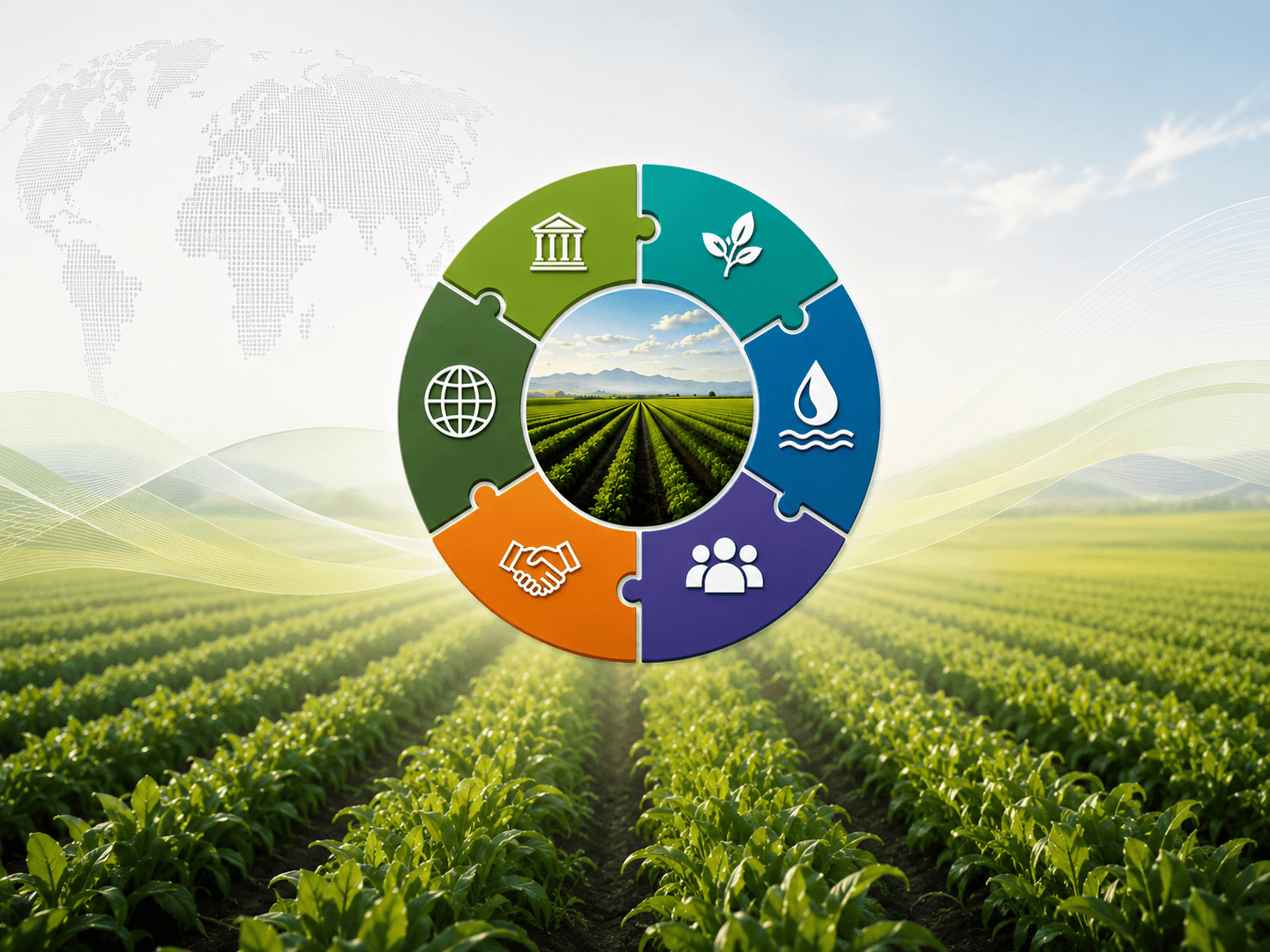
Projects are implemented through a co-investment structure: state participation is combined with capital from international financial institutions, development funds, banks, sovereign wealth funds, and private investors.
State participation may take the form of land, infrastructure, regulatory support, guarantees, tax incentives, concession mechanisms, or co-financing.
This structure reduces direct budgetary pressure, distributes risk among stakeholders, and ties financing to specific milestones and measurable outcomes.
Where the work happens

Production
Yields, planning, equipment, water management, and agronomy
Infrastructure
Storage, processing, logistics, and distribution integrated within a single value chain
Projects
Preparation of investment-ready initiatives with sound economics, phased implementation, and control mechanisms
Risk
Mitigation of climate, political, currency, infrastructure, and operational risks
Regulation
Land, water, irrigation, PPPs, concessions, tax regimes, equipment imports, exports, and investment protection
Human Capital
Training national teams to operate and manage the system following implementation
From gap to program

The first step is identifying where the country is losing productivity, revenue, and food resilience.
Priority regions, crops, infrastructure hubs, and processing chains are then selected.
An action program is subsequently developed: what to modernize, what to build, what to finance, which risks to address, and what policy changes are required from the state.
Implementation begins with a single region or production chain to validate results before scaling.
It's measured, not promised
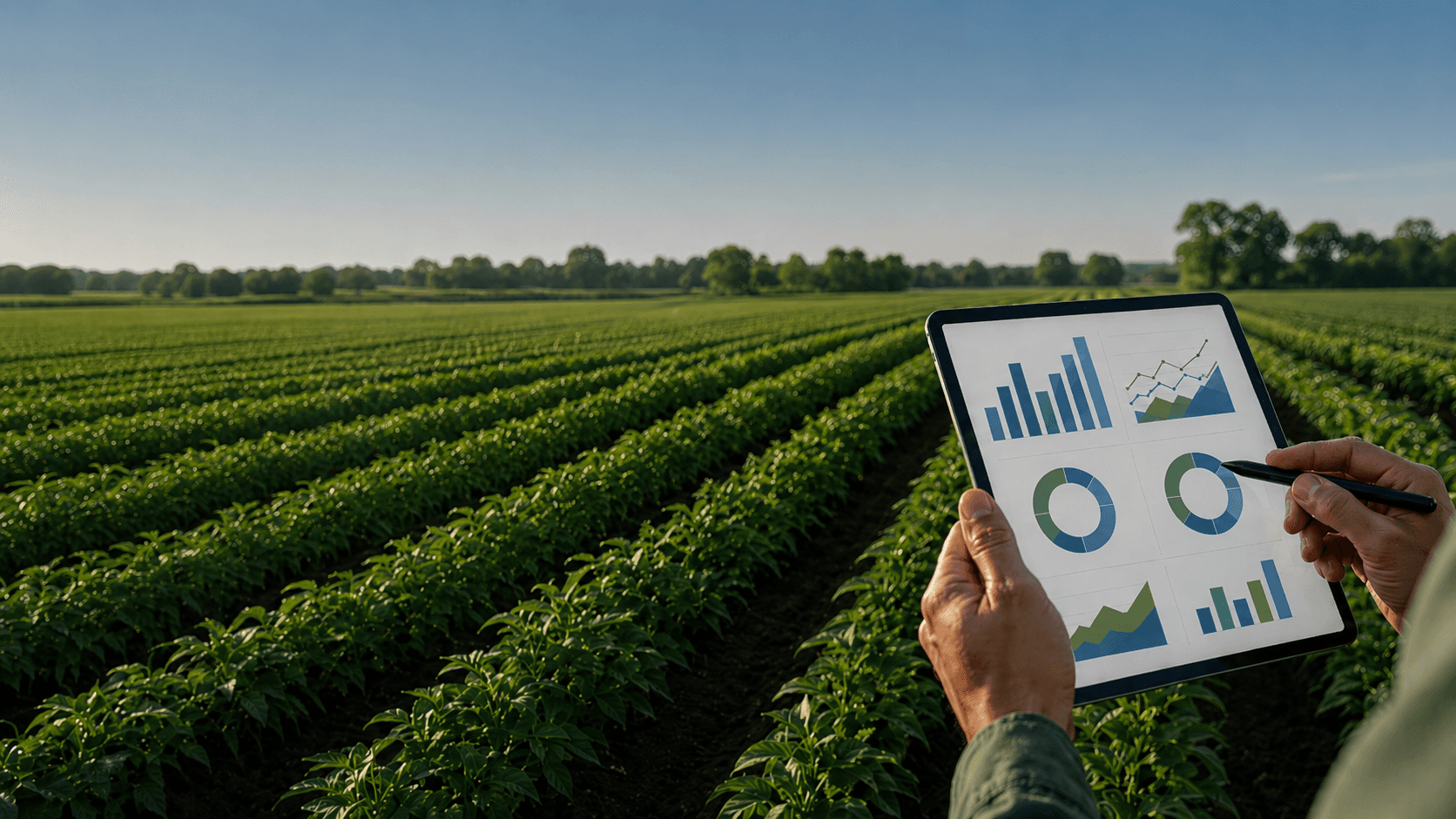
BioSingularity is neither a consultancy nor a provider of standalone technologies.
We are accountable not for recommendations, but for building a system that works.
Accountability is anchored in measurable indicators at every stage: tonnes of output, reduction in imports, growth in processing, capital attracted, jobs created, and the strengthening of food sovereignty.