For Governments
From food import dependency to sovereign productive infrastructure. Designed, capitalised, and operated - end to end.
From food import dependency to sovereign productive infrastructure. Designed, capitalised, and operated - end to end.
THE STRUCTURAL PROBLEM
Every government managing food imports is managing a strategic vulnerability

Import dependency is not a policy failure
For most countries, it was the rational outcome of decades of economic logic: global markets were stable, prices were competitive, and domestic agricultural transformation was expensive and slow.
For most countries, it was the rational outcome of decades of economic logic: global markets were stable, prices were competitive, and domestic agricultural transformation was expensive and slow.
That logic no longer holds
Supply chain disruptions, geopolitical realignment, currency volatility, and climate-driven production failures have turned food import dependency from a managed exposure into a strategic liability.
Supply chain disruptions, geopolitical realignment, currency volatility, and climate-driven production failures have turned food import dependency from a managed exposure into a strategic liability.
The response cannot be incremental
Subsidising small producers, piloting precision agriculture, or increasing storage capacity does not change the structure of the problem.
Subsidising small producers, piloting precision agriculture, or increasing storage capacity does not change the structure of the problem.
WHAT THE SYSTEM DELIVERS
Six sovereign outcomes. Engineered into the architecture.
Import Substitution
Domestic production at scale replaces strategic food imports - reducing currency outflow, eliminating exposure to global supply disruptions, and removing geopolitical leverage held by exporting nations.
Import Substitution
Domestic production at scale replaces strategic food imports - reducing currency outflow, eliminating exposure to global supply disruptions, and removing geopolitical leverage held by exporting nations.
Food System Resilience
An integrated cluster system creates structural redundancy that fragmented agriculture cannot provide. Disruption in global markets no longer translates directly into domestic shortages. The system absorbs shocks rather than transmitting them.
Food System Resilience
An integrated cluster system creates structural redundancy that fragmented agriculture cannot provide. Disruption in global markets no longer translates directly into domestic shortages. The system absorbs shocks rather than transmitting them.
Domestic Processing Capacity
On-site processing means finished goods - not raw commodities - leave the cluster. Processing employment, industrial margin, and tax revenue stay within the country. Value is retained domestically by design.
Domestic Processing Capacity
On-site processing means finished goods - not raw commodities - leave the cluster. Processing employment, industrial margin, and tax revenue stay within the country. Value is retained domestically by design.
Regional Employment and Development
Each cluster generates structured employment across field operations, mechanization, agronomy, processing, logistics, data management, and administration. The employment base is permanent - not seasonal contract labour.
Regional Employment and Development
Each cluster generates structured employment across field operations, mechanization, agronomy, processing, logistics, data management, and administration. The employment base is permanent - not seasonal contract labour.
Digital Visibility Over Agriculture
BioSingularity OS gives government a real-time dashboard over production volumes, soil health, water usage, yield forecasts, and processing throughput. Agriculture is no longer an opaque sector managed through quarterly reports. It becomes a managed system with live operational visibility.
Digital Visibility Over Agriculture
BioSingularity OS gives government a real-time dashboard over production volumes, soil health, water usage, yield forecasts, and processing throughput. Agriculture is no longer an opaque sector managed through quarterly reports. It becomes a managed system with live operational visibility.
Turn-Key Transformation
We do not deliver a design and leave. BioSingularity designs, capitalises, deploys, and operates - until the system runs at full capacity. The handover timeline and conditions are agreed at the outset. The operator remains accountable throughout.
Turn-Key Transformation
We do not deliver a design and leave. BioSingularity designs, capitalises, deploys, and operates - until the system runs at full capacity. The handover timeline and conditions are agreed at the outset. The operator remains accountable throughout.
FORMATS OF COOPERATION
Three ways governments enter the system
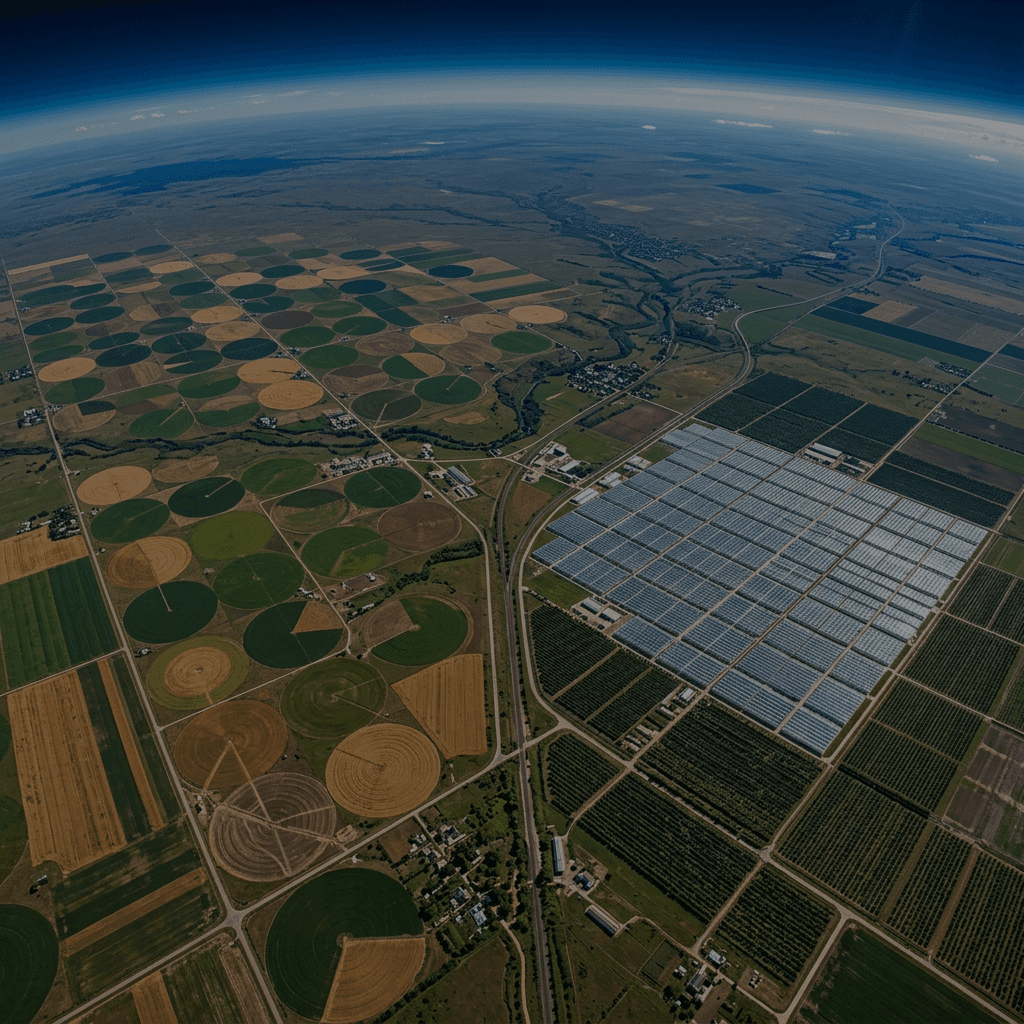
Cluster Launch
Government provides territory access and regulatory support. BioSingularity designs the full cluster architecture, structures and raises the capital, deploys the infrastructure, and operates the system. Government receives sovereign food security outcomes, full digital visibility, domestic processing capacity, and regional employment - without carrying operational responsibility.
Best for:
Governments with identified territory and a clear food security mandate, seeking an integrated operator rather than a construction contractor.
Cluster Launch
Government provides territory access and regulatory support. BioSingularity designs the full cluster architecture, structures and raises the capital, deploys the infrastructure, and operates the system. Government receives sovereign food security outcomes, full digital visibility, domestic processing capacity, and regional employment - without carrying operational responsibility.
Best for:
Governments with identified territory and a clear food security mandate, seeking an integrated operator rather than a construction contractor.
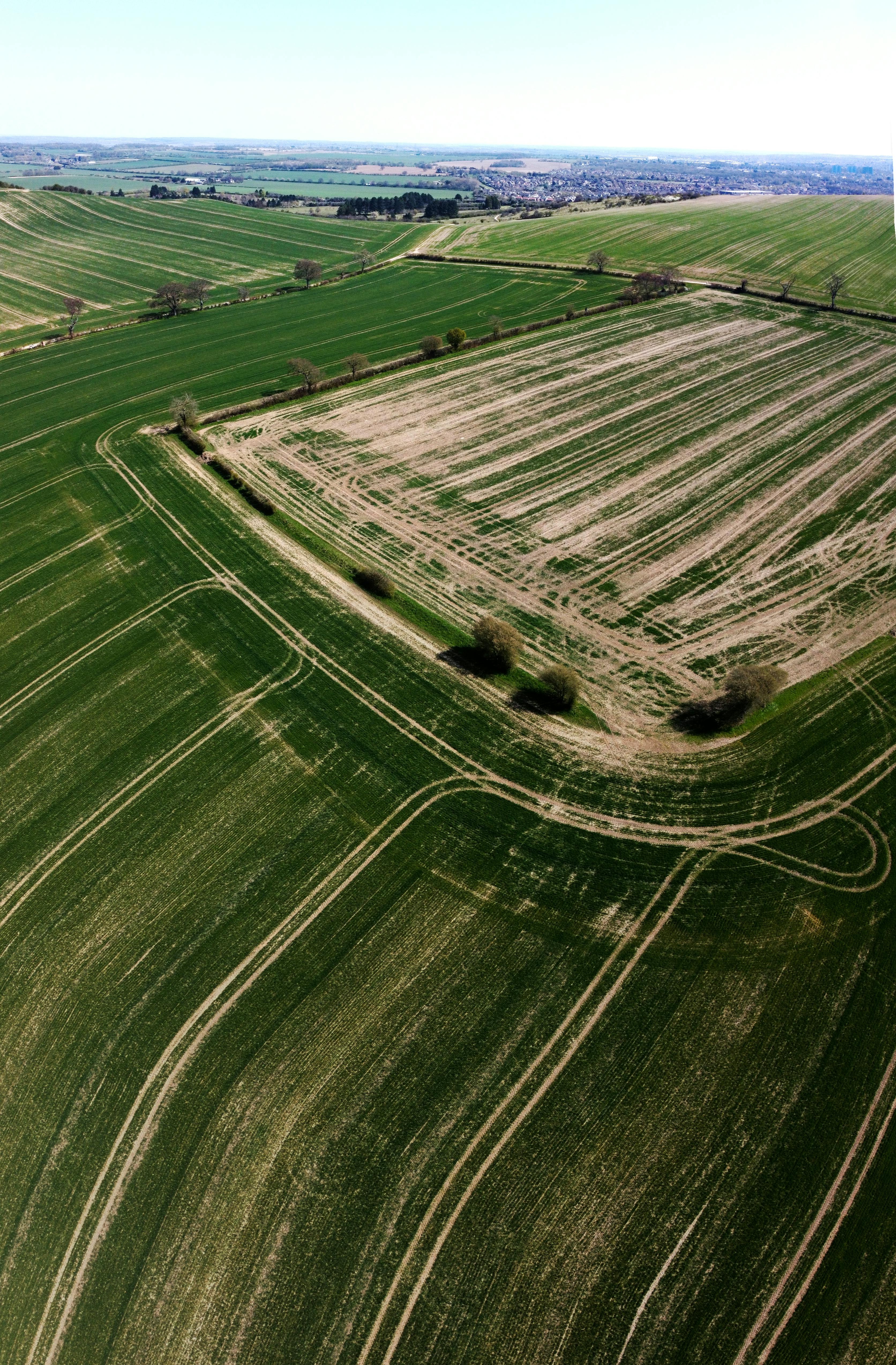
National System Transformation
Comprehensive redesign of the country's agricultural architecture - cluster model, processing infrastructure, logistics corridors, digital control layer, and capital structure - deployed at national scale across multiple territories and production zones.
Best for:
Governments with a strategic mandate to transform the national food system over a defined 10-20 year horizon.
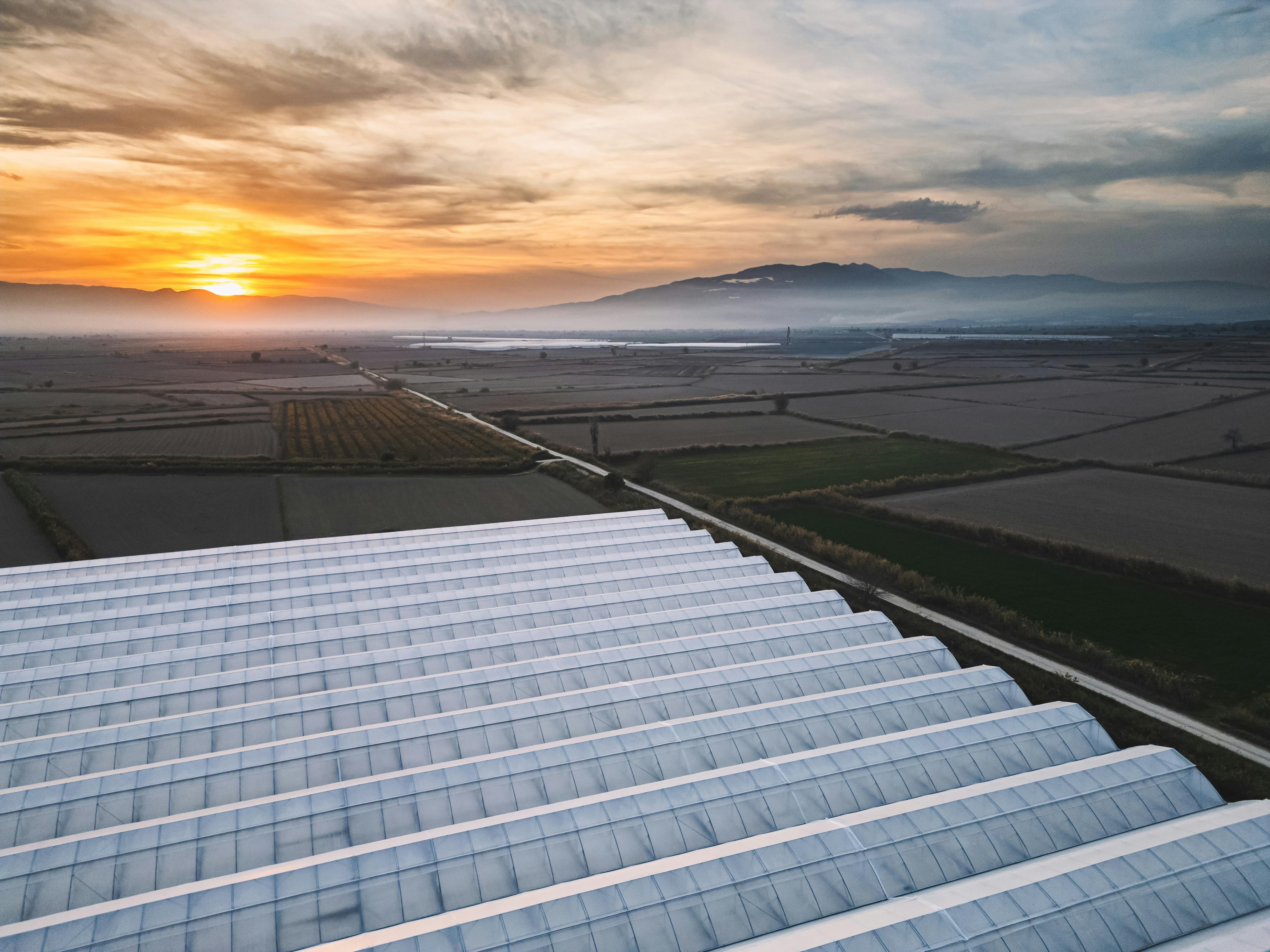
Strategic Advisory and System Design
For governments at the early assessment stage: BioSingularity provides territory assessment, system architecture design, feasibility analysis, and investment structuring - before full deployment begins. This establishes the blueprint and capital logic before any ground is broken.
Best for:
Governments exploring options, requiring independent system design and strategic validation before committing to deployment.
Strategic Advisory and System Design
By integrating water supply, clean energy, proven technologies, processing, and consumption into a single three-tiered model, we dramatically reduce the probability of failure at every stage - transforming the multiplication effect from a liability into an asset.
Best for:
Governments exploring options, requiring independent system design and strategic validation before committing to deployment.
FORMATS OF COOPERATION
Three ways governments enter the system
Cluster Launch
Government provides territory access and regulatory support. BioSingularity designs the full cluster architecture, structures and raises the capital, deploys the infrastructure, and operates the system. Government receives sovereign food security outcomes, full digital visibility, domestic processing capacity, and regional employment - without carrying operational responsibility.
Best for:
Governments with identified territory and a clear food security mandate, seeking an integrated operator rather than a construction contractor.
Cluster Launch
Government provides territory access and regulatory support. BioSingularity designs the full cluster architecture, structures and raises the capital, deploys the infrastructure, and operates the system. Government receives sovereign food security outcomes, full digital visibility, domestic processing capacity, and regional employment - without carrying operational responsibility.
Best for:
Governments with identified territory and a clear food security mandate, seeking an integrated operator rather than a construction contractor.
National System Transformation
Comprehensive redesign of the country's agricultural architecture - cluster model, processing infrastructure, logistics corridors, digital control layer, and capital structure - deployed at national scale across multiple territories and production zones.
Best for:
Governments with a strategic mandate to transform the national food system over a defined 10-20 year horizon.
Strategic Advisory and System Design
For governments at the early assessment stage: BioSingularity provides territory assessment, system architecture design, feasibility analysis, and investment structuring - before full deployment begins. This establishes the blueprint and capital logic before any ground is broken.
Best for:
Governments exploring options, requiring independent system design and strategic validation before committing to deployment.
Strategic Advisory and System Design
By integrating water supply, clean energy, proven technologies, processing, and consumption into a single three-tiered model, we dramatically reduce the probability of failure at every stage - transforming the multiplication effect from a liability into an asset.
Best for:
Governments exploring options, requiring independent system design and strategic validation before committing to deployment.
Not a consultant. Not a contractor. An architect.
Not a consultant. Not a contractor. An architect.
Not a consultant. Not a contractor.
An operator.
A consulting firm will tell you what to build
An EPC contractor will build what you specify
Neither will operate the result - or remain accountable for its performance after delivery

BioSingularity is the operator
We design the system because we will run it. We raise the capital because we are responsible for its deployment. We build the infrastructure because we are accountable for what it produces. When the cluster is operational, we are still in it - reporting to you, managing performance, and evolving the system as conditions change.
This is not a vendor relationship. It is a long-term operating partnership - with clearly defined roles, transparent reporting, and shared accountability for sovereign outcomes.
BioSingularity is the operator
We design the system because we will run it. We raise the capital because we are responsible for its deployment. We build the infrastructure because we are accountable for what it produces. When the cluster is operational, we are still in it - reporting to you, managing performance, and evolving the system as conditions change.
This is not a vendor relationship. It is a long-term operating partnership - with clearly defined roles, transparent reporting, and shared accountability for sovereign outcomes.

BioSingularity is the operator
We design the system because we will run it. We raise the capital because we are responsible for its deployment. We build the infrastructure because we are accountable for what it produces. When the cluster is operational, we are still in it - reporting to you, managing performance, and evolving the system as conditions change.
This is not a vendor relationship. It is a long-term operating partnership - with clearly defined roles, transparent reporting, and shared accountability for sovereign outcomes.

"The responsibility for outcomes does not transfer on handover day.
It stays with the architect."