ESG as Infrastructure,
Not Reporting
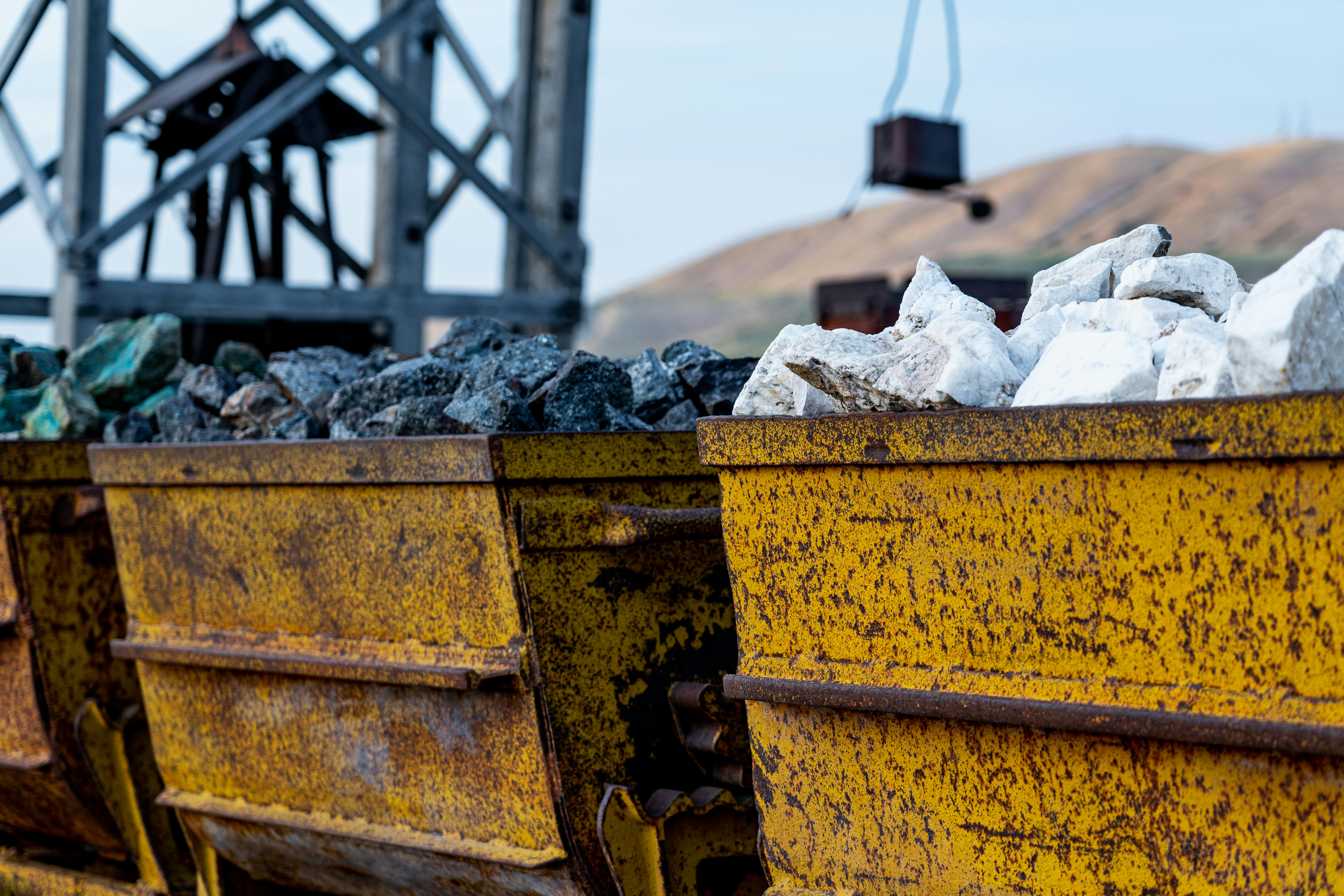
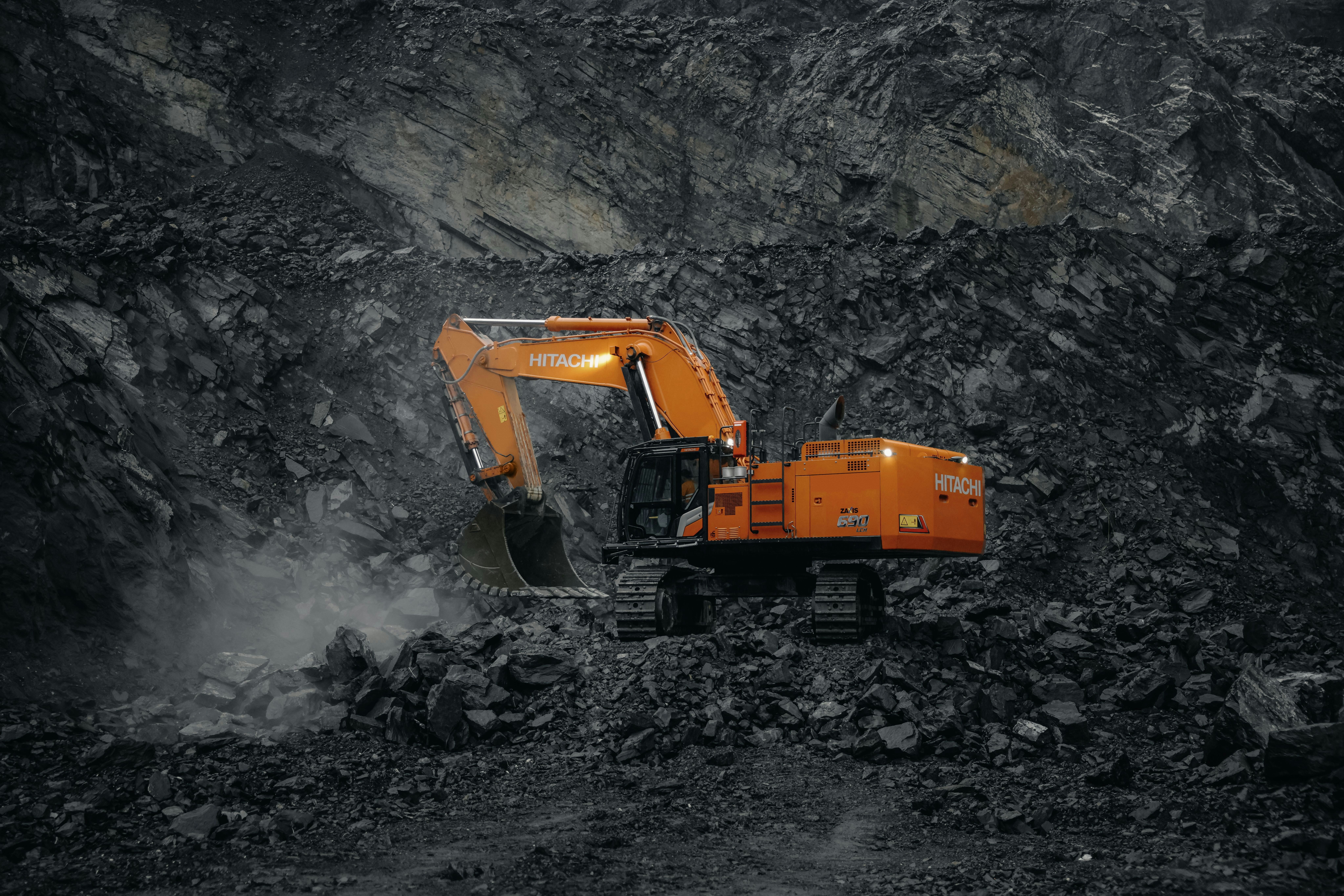
ESG is not a disclosure exercise. It is the operating license for industrial scale. We design and run regenerative agricultural clusters around active mining sites - turning the social and environmental footprint of extraction into measurable, auditable, community-anchored value creation.
Two Industries, One Land Question
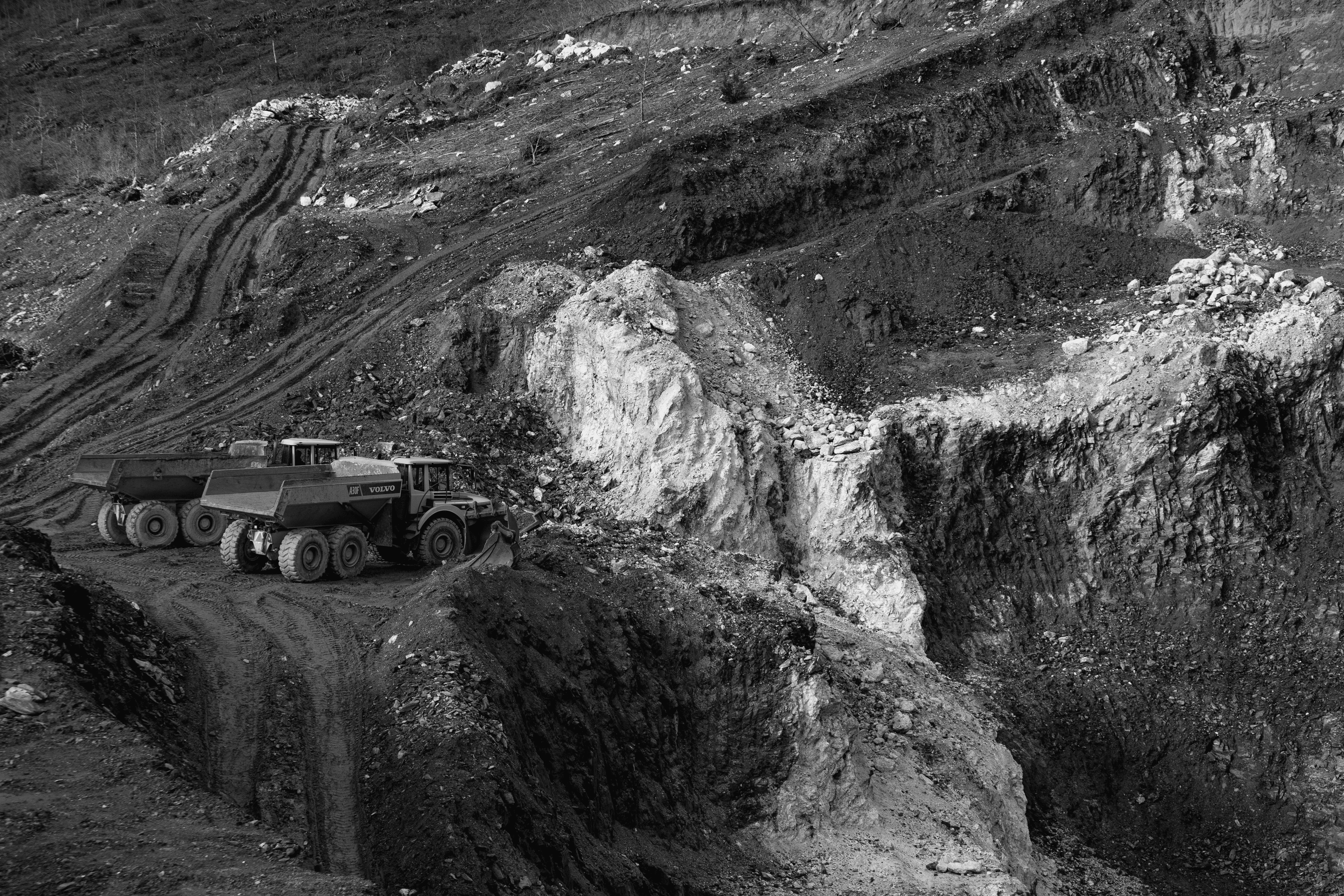
Mining and regenerative agriculture share the same operational gravity: land control, water access, community alignment, and long-cycle infrastructure. Where mining requires concession boundaries, drilling, and the relocation of rural populations, agriculture requires soil, irrigation, and stable rural livelihoods. Treated separately, these forces compete. Integrated, they reinforce each other.
What We Unlock
for Mining Operators
Community Resettlement, Re-Engineered
Where extraction requires the relocation of farming households, we replace lost livelihoods with regenerative production systems — designed, financed, and operated as long-term assets, not compensation packages.
Shared Water Infrastructure
The boreholes, drilling capacity, and hydrological mapping deployed for mine operations become the backbone of irrigation networks for surrounding farmers - transforming a cost line into shared rural infrastructure.
Land Rehabilitation Pathways
Concession edges, buffer zones, and post-extraction footprints are restored through regenerative design - soil, biodiversity, and yield logic engineered to outlast the mine itself.
Local Economic Anchoring
Host communities are integrated as producers, operators, and beneficiaries within structured agricultural clusters — reducing permit risk, strengthening Social License to Operate, and meeting the IFC, Equator, and sovereign ESG thresholds that capital now demands.
Auditable Impact, Structured for Capital
Every layer is monitored through BioSingularity OS - satellite-to-field telemetry that turns community, water, and land outcomes into reportable, investor-grade data.